-
 admin
- November 20, 2026
 admin
Sourcing Carbopol from India: A Guide for US Manufacturers
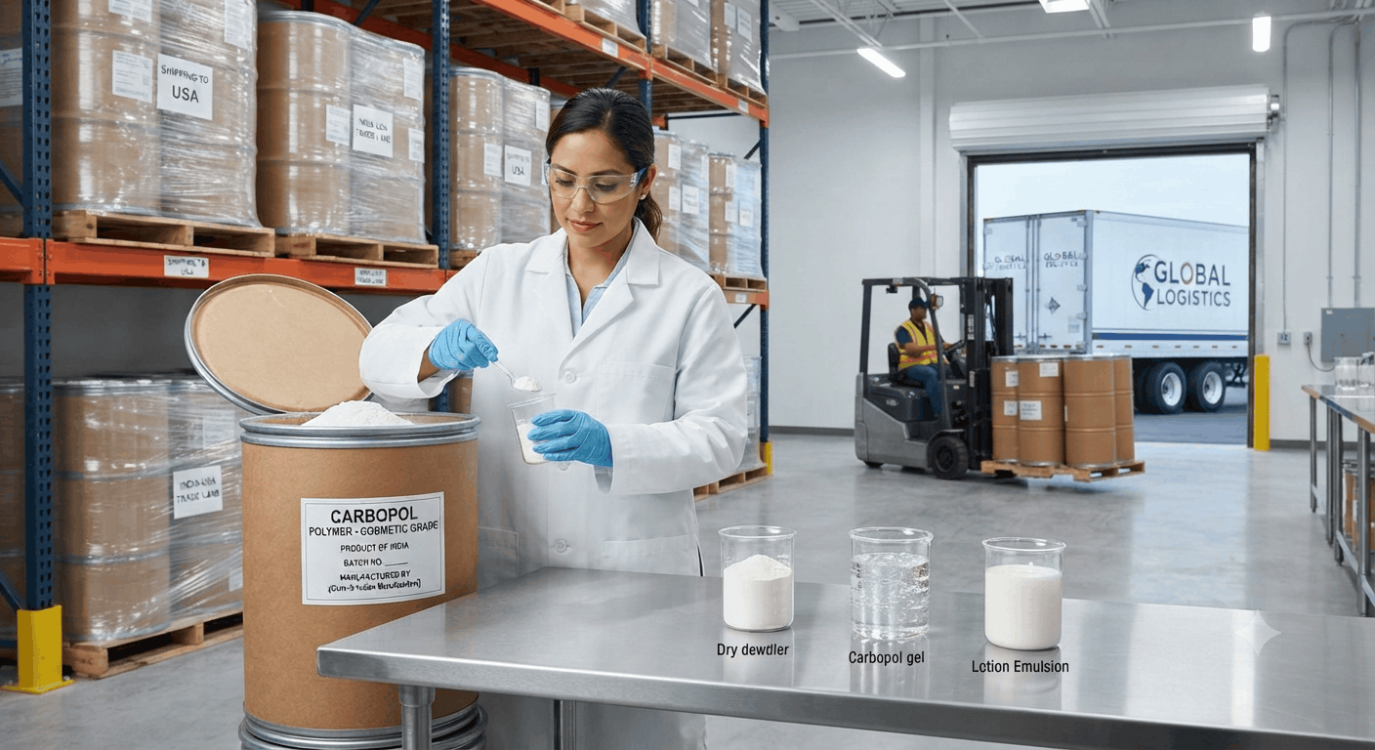
For US-based manufacturers in the cosmetics, personal care, and pharmaceutical industries, securing a stable and cost-effective supply of rheology modifiers is critical to maintaining production schedules and profit margins. Carbopol, the widely recognized brand of carbomers, serves as the backbone for countless gels, lotions, creams, and suspensions, providing essential thickening, stabilization, and aesthetic properties. However, domestic sourcing often comes at a premium, leading many procurement managers to explore global alternatives. India has emerged as a premier hub for specialty chemical manufacturing, offering high-quality polymers that comply with international standards at competitive price points. While the potential for significant cost savings is attractive, the process of vetting international suppliers, navigating complex logistics, and ensuring regulatory compliance can be daunting. This comprehensive guide is designed to streamline that process, providing US manufacturing businesses with a strategic roadmap for successfully identifying a reliable Indian Carbopol exporter and establishing a robust, long-term supply chain.
The first and most crucial step in this sourcing journey is rigorous due diligence when selecting a manufacturing partner. The global market is vast, and quality can vary significantly. US businesses should prioritize suppliers who possess internationally recognized quality certifications such as ISO 9001 for quality management systems and ISO 22715 for Good Manufacturing Practices (GMP) specific to cosmetic ingredients. Requesting detailed technical data sheets (TDS), certificates of analysis (COA), and samples for internal lab testing are non-negotiable prerequisites. A reputable Carbopol exporter from India will offer full transparency regarding their manufacturing processes, raw material sourcing, and quality control protocols. Furthermore, it is highly advantageous to partner with an exporter who has prior experience navigating US FDA regulations and understands the specific documentation required for customs clearance. For mid-sized US manufacturers who may not have the internal resources for direct import logistics, working with an established Carbopol wholesale supplier in the USA that specializes in importing Indian-manufactured polymers can offer a simplified solution, mitigating risks while still providing access to competitive pricing.
Once a qualified manufacturer or importer has been identified, the focus shifts to securing favorable commercial terms and managing the logistical complexities of international shipping. Negotiating bulk purchase agreements allows US businesses to leverage economies of scale, maximizing the cost advantages of sourcing from Asia. When discussing Incoterms, it is common for US buyers to negotiate for CIF (Cost, Insurance, and Freight) initially to simplify shipping, eventually transitioning to FOB (Free On Board) once the supply chain is stable, allowing for greater control over freight forwarders and costs. Ocean freight is the most economical mode for large volumes, typically arriving at major US ports like Los Angeles, New York/New Jersey, or Houston, with transit times ranging from 25 to 45 days. Air freight, while significantly more expensive, is a viable option for urgent requirements or smaller pilot batches. Throughout this process, maintaining open and clear communication with the Indian Carbopol exporter regarding packaging requirements—such as moisture-protective drums and proper labeling for hazardous materials classification, if applicable—is essential to prevent delays and ensure the product arrives in optimal condition.
A critical component of any successful international sourcing strategy is a thorough understanding of the regulatory landscape governing the importation of chemical raw materials into the United States. Importers must ensure compliance with the Toxic Substances Control Act (TSCA) administered by the EPA. This may involve verifying that the specific carbomer polymers are listed on the TSCA Inventory or securing the necessary exemptions. If the Carbopol is intended for pharmaceutical applications, it must meet the stringent purity standards outlined in the United States Pharmacopeia–National Formulary (USP-NF). Working closely with a customs broker who specializes in chemical imports is highly recommended to navigate these requirements efficiently and avoid costly customs holds or penalties. A reliable Indian Carbopol exporter will proactively provide all necessary documentation, including commercial invoices, packing lists, certificates of origin, and TSCA certification statements, to facilitate a smooth clearance process. This proactive approach to compliance minimizes administrative burdens and fosters a trusting, long-term partnership.
Ultimately, successfully sourcing Carbopol from India represents a strategic opportunity for US manufacturing businesses to enhance their supply chain resilience and improve their bottom line. By moving beyond traditional domestic sources and embracing global procurement, companies can access high-quality, globally competitive ingredients that are essential for their product formulations. While the initial effort required to vet suppliers, establish logistics, and ensure regulatory compliance is significant, the rewards—in terms of cost savings, diversified supply, and competitive advantage—are substantial. The key to long-term success lies not just in finding the lowest price but in building a transparent, collaborative relationship with a trusted Carbopol exporter from India or an established US-based importer. By treating this initiative as a core strategic function rather than a one-time purchasing decision, US manufacturers can secure a sustainable supply of this vital polymer, positioning themselves for growth and innovation in an increasingly competitive market.